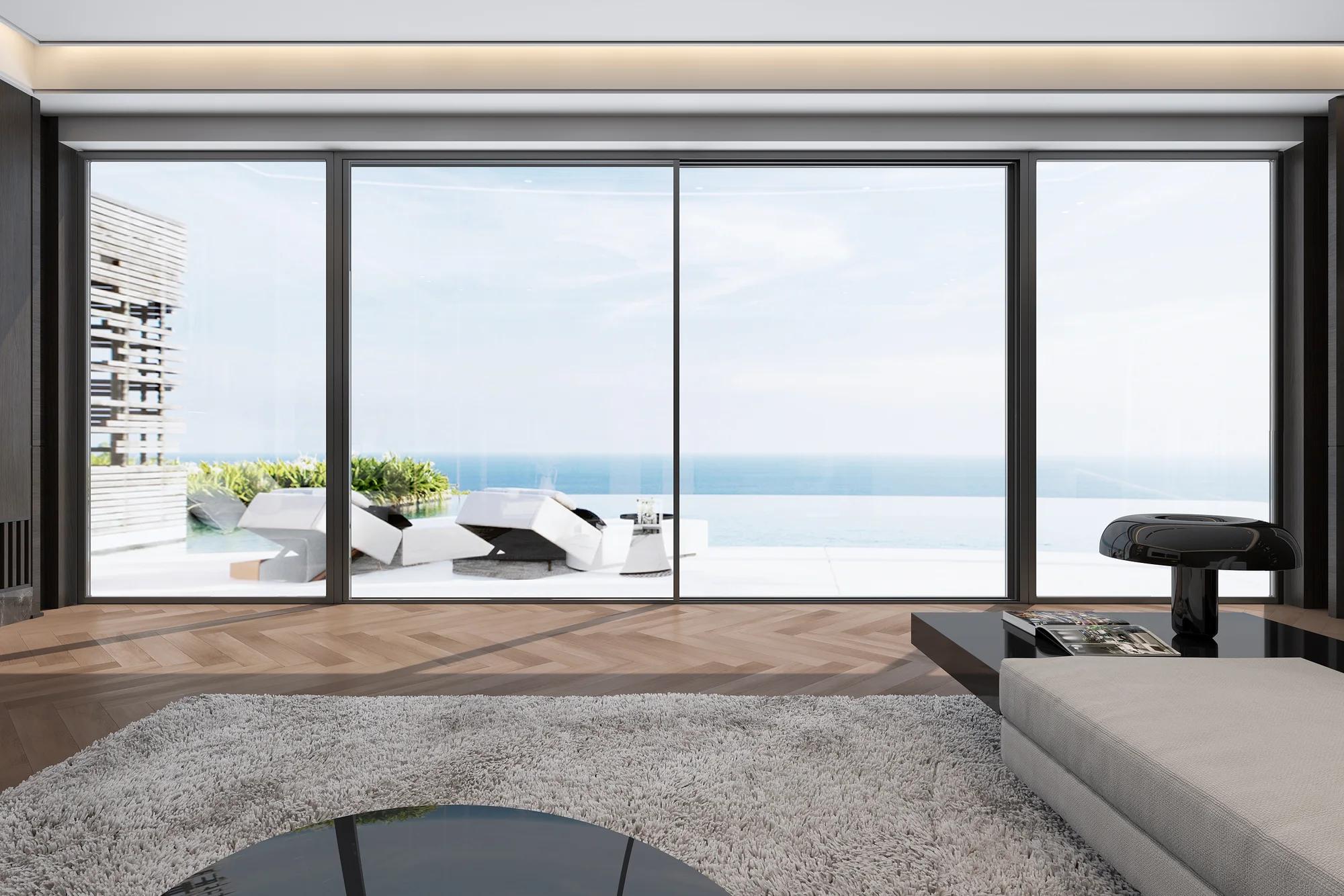
Opening a sliding glass door should bring fresh air into the room—not insects, leaves and a screen panel that sticks halfway along the track. A well-planned aluminium sliding screen door makes the opening more useful while preserving the view and avoiding the swing space required by a hinged screen.
The short answer
Choose the screen as part of the complete sliding-door opening. First confirm that the door frame can accept a screen panel and identify where it will travel. Then select the mesh for the actual job: general insect control, smaller insects, better visibility, pets or a separately tested security requirement. Finally, review the frame rigidity, rollers, latch, track drainage and custom dimensions.
A standard insect screen is designed mainly for ventilation and pest control. It should not be described or relied on as a security screen unless the complete product—not only the mesh—has been tested and documented to the relevant requirements in the project market.
Start with the way the opening will be used
Before comparing materials, picture an ordinary day in the room. A screen beside a kitchen or frequently used patio door may move dozens of times a day. A balcony screen in a guest room may stay closed for long periods. A home with a large dog puts different loads on the mesh and frame from a quiet upper-floor apartment.
These questions define the workload the whole screen assembly must handle. They are more useful than choosing a mesh from a photograph.
- How often will people use the opening?
- Is the priority insect control, an uninterrupted view, pet resistance or security?
- Which insects are common in the project location?
- Will children, pets or older family members use the door?
- Is the elevation exposed to coastal air, heavy rain, wind or dust?
- Does the glass door already include a compatible screen track?
- Where will the screen panel sit when it is open?
Check whether the screen is integrated or added later
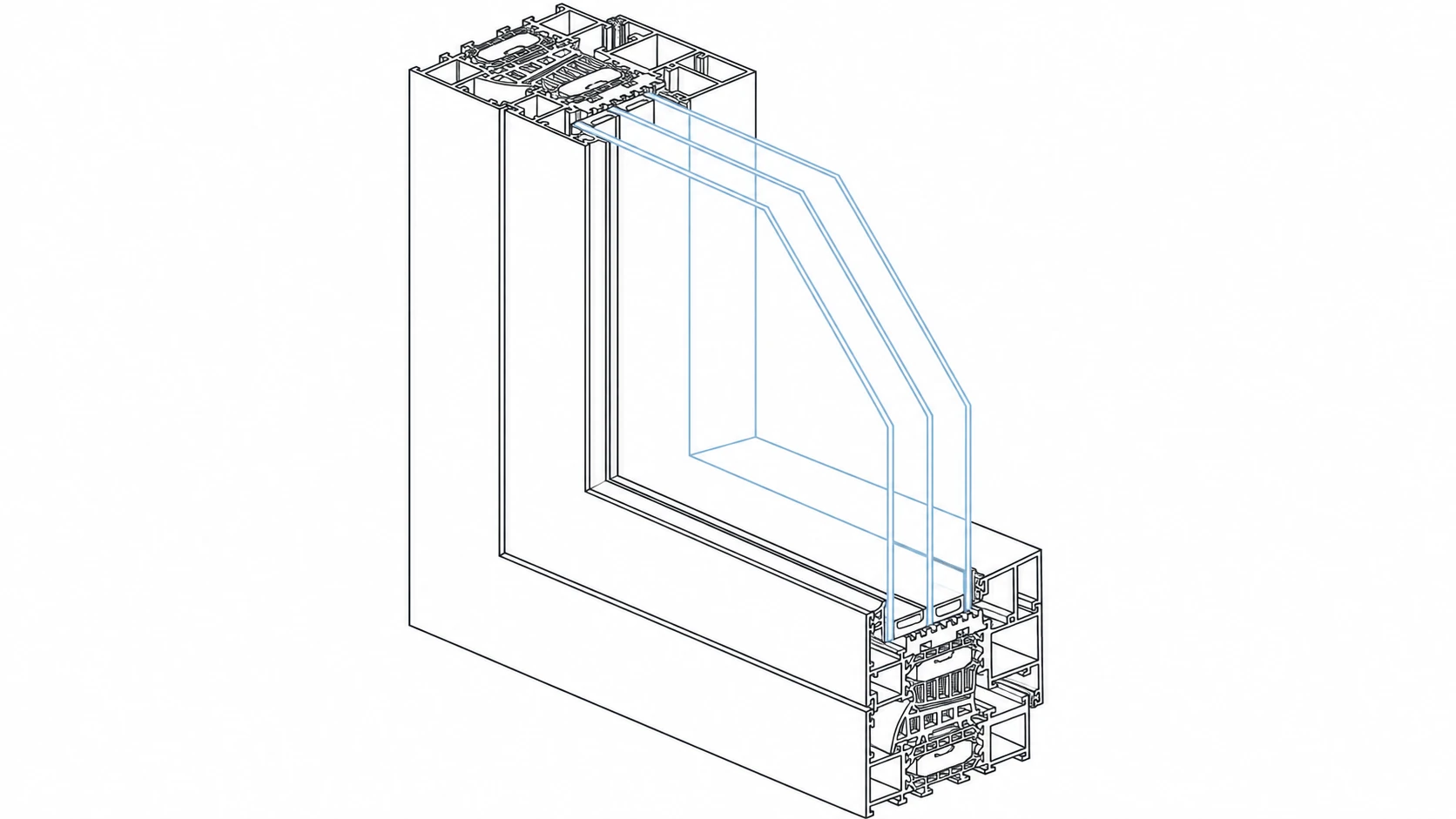
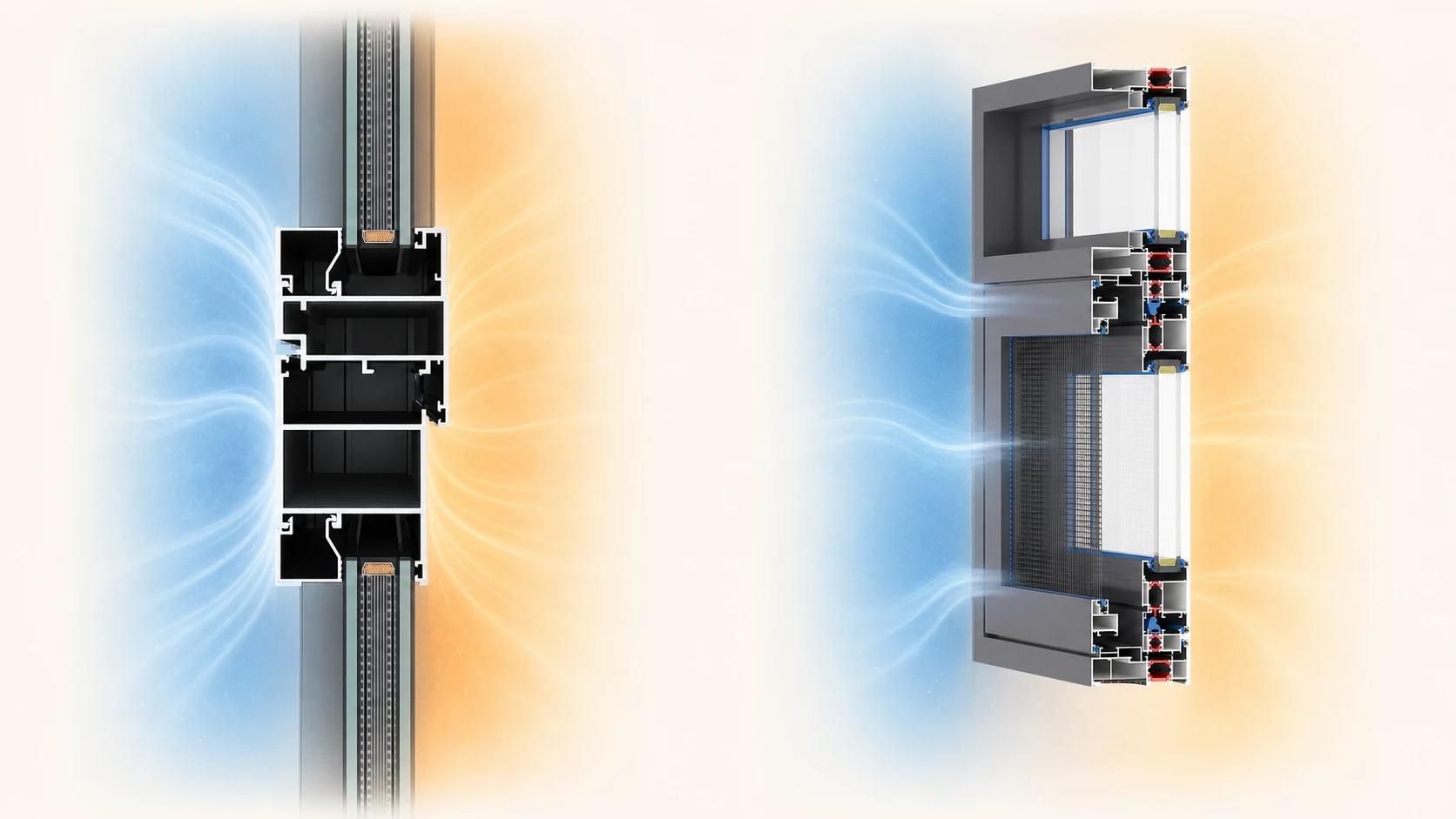
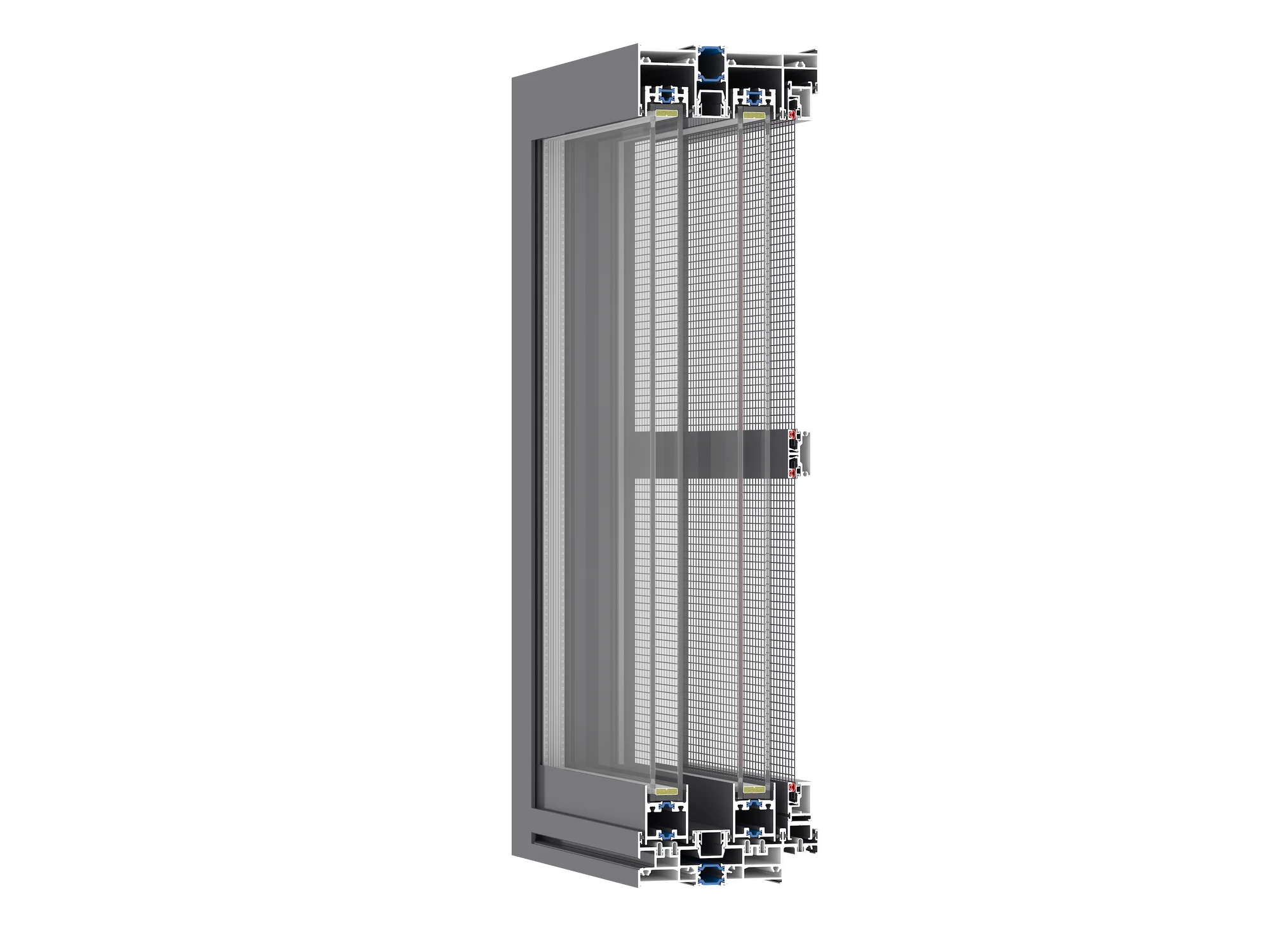
An integrated screen is coordinated with the glass-door frame, track and panel configuration during system selection. This can produce a cleaner interface and makes it easier to confirm how the screen parks, closes and meets the adjacent frame.
An add-on or replacement screen can work when an existing patio door already has a suitable external track. Compatibility still needs to be checked. Sliding-door tracks, roller arrangements, latch positions and panel dimensions are not universally interchangeable.
For a new custom opening, plan the glass door and screen together. For a replacement, record the existing door brand or system if known, photograph the top and bottom tracks, and confirm the available track depth before ordering anything.
FENALTO's 138 Panoramic Sliding Door is one current system presented with an integrated insect-screen configuration. Other sliding-door models should be reviewed individually rather than assumed to accept the same screen arrangement.
Choose the mesh according to the problem
Mesh affects insect protection, airflow, visibility and resistance to everyday damage. No single option is best for every home.
Fibreglass, aluminium and stainless-steel meshes are all used in screening products, alongside purpose-specific options for pets, fine insects and visibility. The names alone do not establish performance. Ask for the exact mesh specification, its intended application and its compatibility with the frame and surrounding materials.
Do not select a very fine or heavy mesh automatically. A finer weave may control smaller insects, but it can also change airflow and the apparent openness of the doorway. A tougher mesh is useful only if the frame, corners and retention method can support it.
| Screen requirement | What to prioritise | Trade-off to review |
|---|---|---|
| General insect control | Balanced opening size, airflow and easy maintenance | May not block very small insects |
| Small-insect control | A finer mesh suited to local insects | Finer mesh can reduce airflow and visibility |
| Clear outward view | Thin, dark strands and high open area | May offer less resistance to pets or impact |
| Homes with pets | Mesh and retention designed for repeated contact | Heavier mesh may be more visible |
| Demanding exposure | Compatible corrosion-resistant mesh, fasteners and frame finish | Material compatibility and maintenance still matter |
| Security requirement | A complete tested system with suitable frame, retention, hardware and installation | Ordinary insect mesh is not a security product |
The aluminium frame must stay square
The frame holds the mesh under tension and keeps the panel aligned with the track and latch. On a moving screen, insufficient rigidity can show up as rubbing, edge gaps or a latch that no longer meets correctly.
Large openings need particular care. A panel that looks slim in an elevation still has to remain stable through daily handling, transport, installation and changes in temperature.
- Is the profile appropriate for the panel size?
- How are the corners joined and reinforced?
- Is a mid-rail required for the proposed dimensions or use?
- How is the mesh retained at the perimeter?
- Is the surface finish suitable for the exposure?
- Can damaged mesh, rollers and latches be serviced later?
Tracks and rollers determine how the door feels
Users experience a sliding screen through the handle, rollers and track—not through a material specification sheet. A well-aligned panel should move without excessive force, remain engaged with its guides and close without leaving an obvious gap at the jamb.
Dirt in a track can make a sound screen feel defective. If an existing screen begins to stick, clean the track before assuming the frame or rollers need replacement. If cleaning does not help, inspect roller adjustment, damage and alignment using instructions for that specific door system.
- Confirm how the panel is guided and where its weight is supported.
- Check how the rollers can be adjusted or replaced.
- Review track alignment and how debris and water are managed around the sill.
- Make sure the latch location works for the intended users.
- Confirm that the screen can be removed for cleaning and maintenance.
Size the screen from the selected system—not a generic chart
Sliding screens are often sold in common nominal sizes, but a custom aluminium door should not be designed around the assumption that one of those panels will fit. The required width and height depend on the track profile, engagement at the head and sill, closing overlap, roller adjustment and the adjacent glass-door configuration.
Do not copy generic measuring deductions into a custom order. Final manufacturing dimensions should come from the selected system details and the agreed site-measurement responsibility.
- Overall opening width and height
- Number and direction of moving glass panels
- Preferred screen location and direction of travel
- Architectural drawings or an opening schedule
- Finished floor and sill information
- Project location and exposure
- Photographs and track dimensions if the screen is for an existing opening
An insect screen is not automatically a security screen
The words screen door, barrier door and security screen are sometimes used as if they mean the same thing. They do not.
An insect screen mainly supports ventilation while limiting the entry of insects and debris. A more robust mesh or latch may improve durability, but that alone does not demonstrate resistance to forced entry. A security screen depends on the complete assembly: mesh or perforated panel, frame, retention, corners, lock, connection to the building and installation.
If security is a project requirement, ask which current standard applies in the destination market and request evidence for the exact configuration being supplied. In Australia, for example, current industry guidance points buyers to AS 5039 compliance and product labelling for security screen products. Requirements differ between markets, so the Australian designation should not be applied globally.
The main glazed door remains part of the security strategy. Confirm its lock, panel retention and glass specification separately instead of treating an insect screen as the primary secure closure.
Consider children, pets and visibility
A large, clean screen can be difficult to see. In a busy doorway, consider a visible mid-rail, handle position or another appropriate visual cue so that people do not walk into the mesh.
For homes with pets, consider how the animal behaves rather than choosing from the label alone. Scratching, leaning and running into the panel create different demands. Pet-resistant mesh may help with everyday contact, but the panel still needs suitable corners, retention and track engagement.
If preventing a child or pet from opening the screen is important, discuss latch height and operation. This is a household-use consideration, not proof that the screen provides fall prevention or intruder resistance.
Match materials and maintenance to the environment
Coastal air, high humidity, dust and frequent rain can affect the mesh, fasteners, rollers and frame finish differently. Ask about the complete material combination rather than specifying one corrosion-resistant component inside an otherwise unsuitable assembly.
Avoid assuming that one lubricant or cleaning chemical suits every roller, mesh and coating. Follow the maintenance information supplied for the selected system.
- Remove loose dust from the mesh with a soft brush or vacuum attachment.
- Clean the frame and mesh using the approved care method.
- Keep the track free of grit and leaves.
- Check that drainage paths remain clear.
- Inspect roller movement, latch alignment and mesh tension periodically.
- Replace damaged parts before they begin to affect the frame or track.
A practical selection checklist
Before approving an aluminium sliding screen door, confirm the purpose, compatibility and complete system—not only the appearance of the mesh.
- Purpose: insect control, fine-insect control, pet resistance, visibility or separately tested security
- Compatibility: integrated with the new glass door or verified for the existing track
- Configuration: number of panels, travel direction and parking position
- Mesh: exact material, weave or product specification and intended use
- Frame: profile, corners, retention and any required mid-rail
- Operation: track, rollers, adjustment, handle and latch
- Dimensions: based on the selected system and agreed site measurements
- Exposure: coastal, humid, windy, dusty or sheltered
- Documentation: drawings, finish, hardware, maintenance information and required test evidence
- Serviceability: access to replacement mesh, rollers, latches and cleaning
Common mistakes to avoid
The most common mistake is choosing the mesh first and treating the frame as a holder. A durable screen needs the mesh, frame, corners, rollers and track to work together.
- Ordering from the nominal glass-door size instead of the screen-track dimensions
- Assuming every sliding door accepts a generic screen panel
- Selecting a very fine mesh without considering airflow
- Relying on an ordinary insect screen for security
- Ignoring how the screen will park when the opening is in use
- Specifying a large panel without reviewing frame stability and hardware
- Overlooking cleaning access and replacement parts
Plan the screen with the whole opening
An aluminium sliding screen door should make the glass door easier to enjoy. The best result is not the screen with the longest feature list; it is the one that fits the system, moves smoothly and solves the household's real ventilation and insect-control needs.
If you are still deciding between opening types, compare how sliding and folding doors use space before narrowing the screen arrangement. For a new project, share the drawings, dimensions, location and screen requirements so the glass door and screen can be reviewed together.
Frequently asked questions
Can a sliding screen be added to an existing glass door?
- Sometimes. The existing frame needs a compatible screen track, sufficient track engagement and a suitable closing surface. Photograph and measure the head, sill and jamb, and identify the existing door system where possible before ordering a panel.
Is aluminium mesh better than fibreglass mesh?
- Neither is automatically better for every home. Compare airflow, visibility, resistance to everyday damage, corrosion exposure, maintenance and compatibility with the screen frame. The exact product specification matters more than the material name alone.
Does a sliding insect screen provide home security?
- Not unless the complete screen-door system has been tested and documented for the relevant security requirements. A strong-looking mesh by itself does not establish security performance.
Why does a sliding screen door keep coming off the track?
- Possible causes include dirt in the track, damaged or incorrectly adjusted rollers, an unsuitable panel size, a bent frame or insufficient engagement with the guide. Check the instructions for the specific system before adjusting or replacing parts.