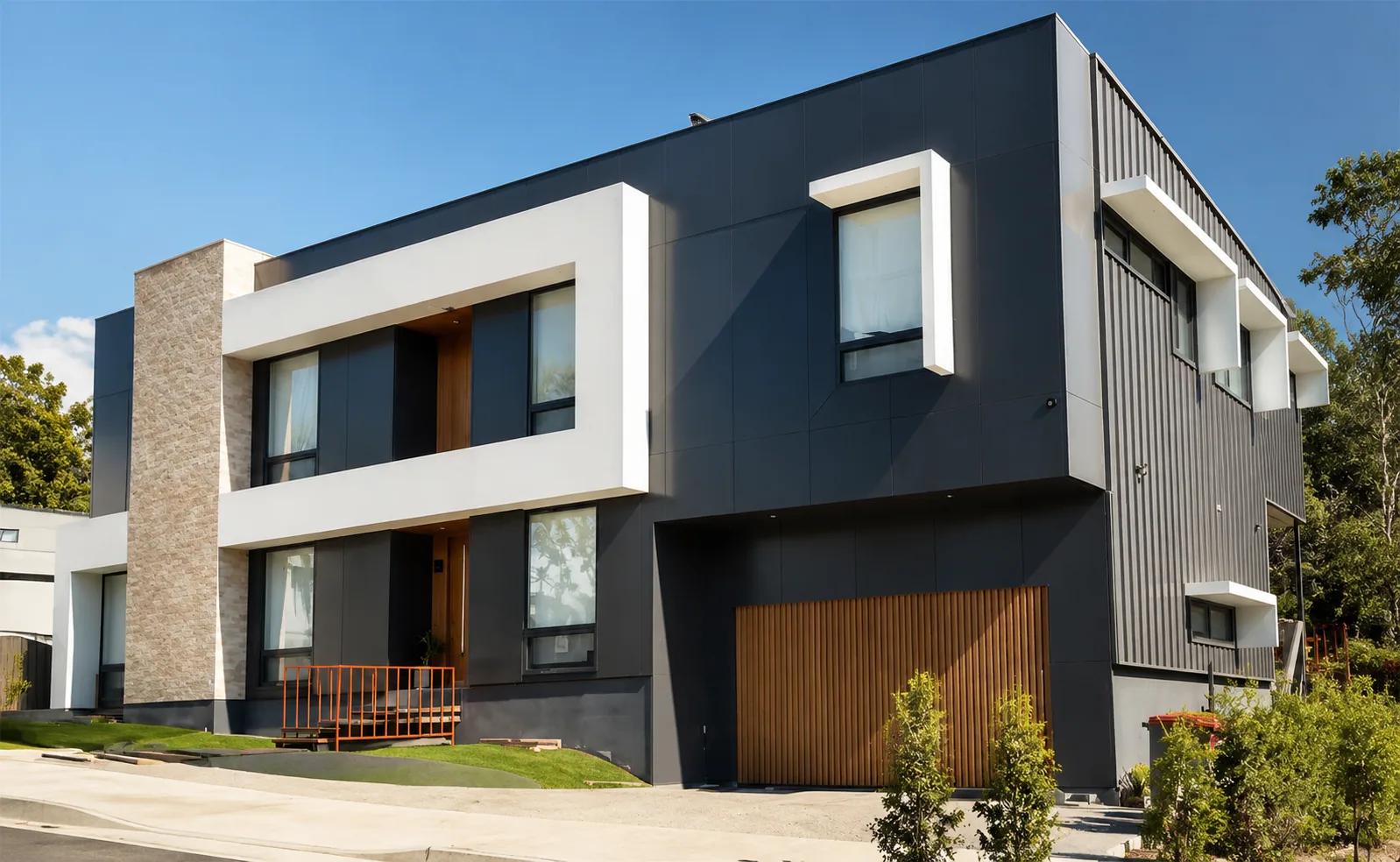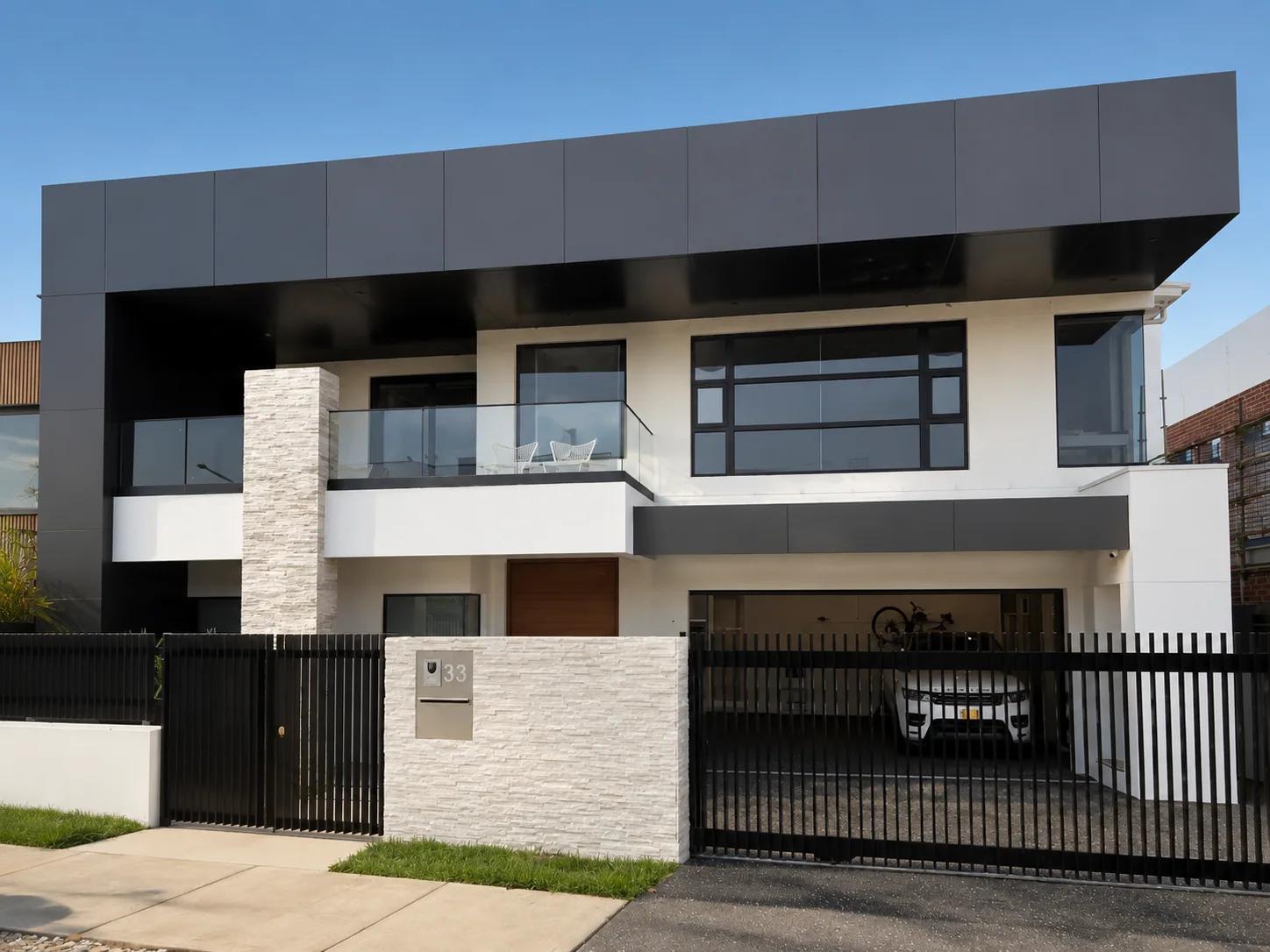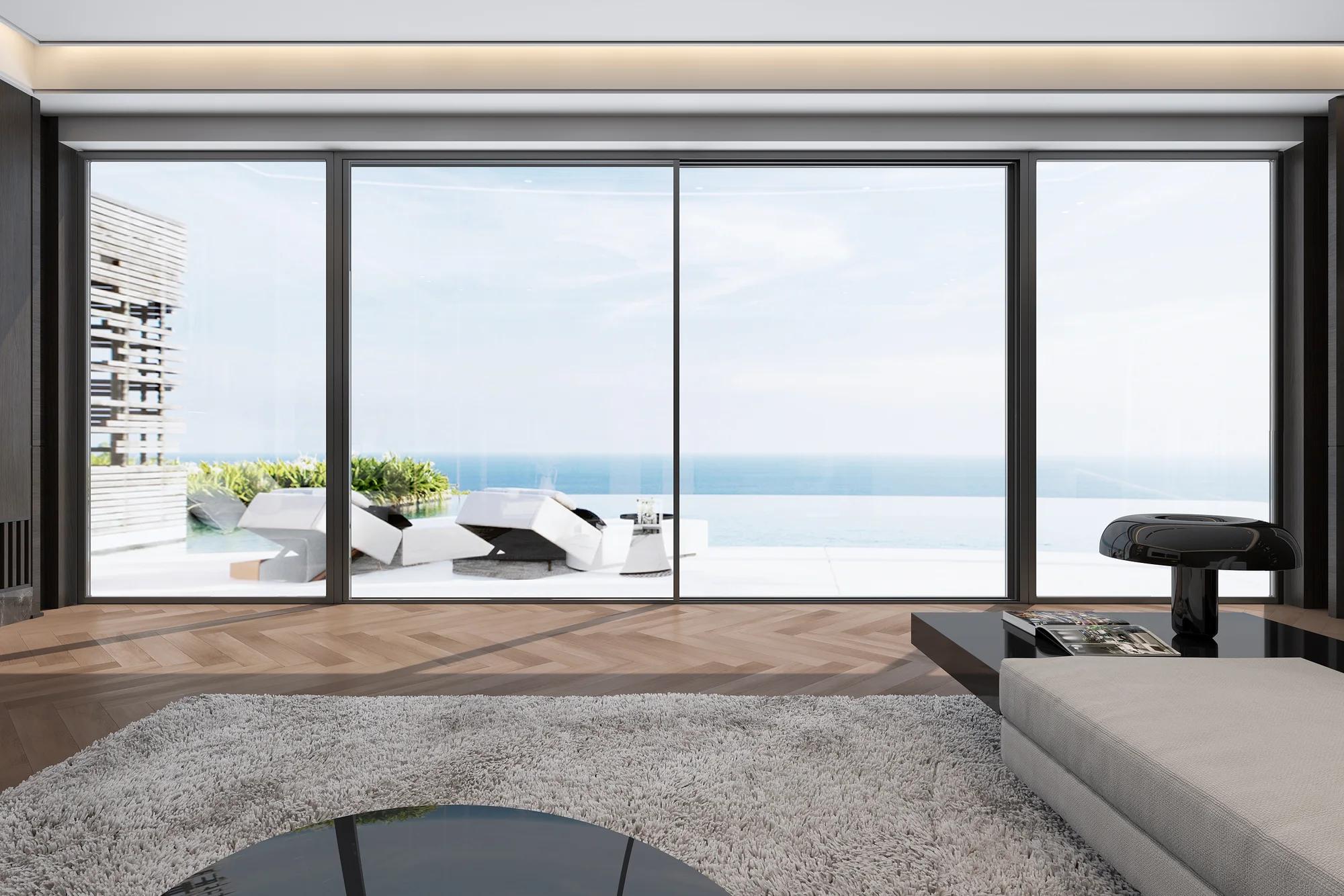
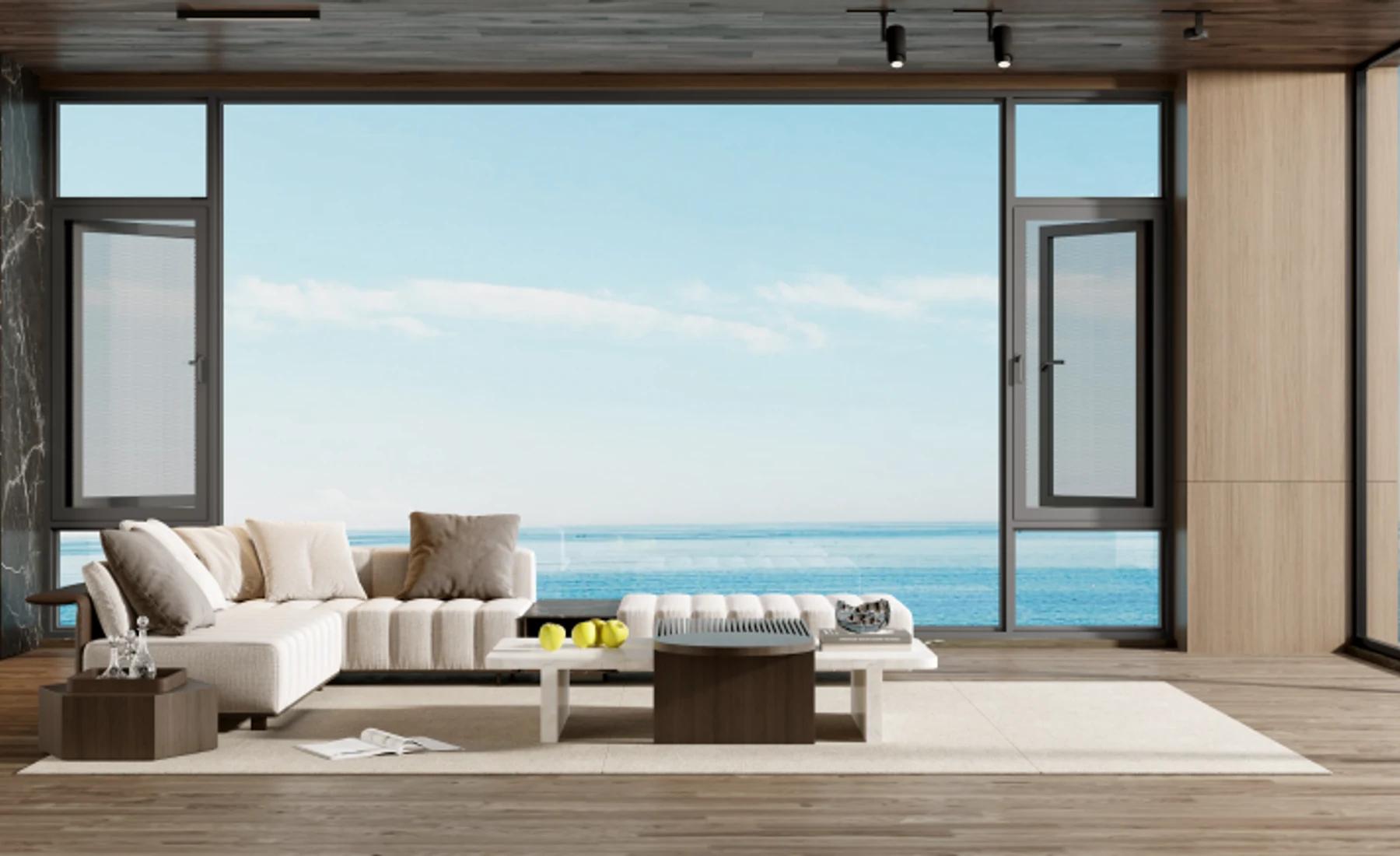
Awning and sliding windows can both work well in residential projects, but they solve different spatial problems. The right choice depends less on appearance alone and more on airflow, exposure, available space and how frequently the window will be operated.
How the two systems open
An awning window is hinged at the top and projects outward from the bottom. A sliding window moves one or more sashes horizontally along a track, so no part of the window projects into the room or exterior path.
That difference affects almost every practical decision: furniture placement, screen configuration, cleaning access, ventilation and the character of the elevation.
When an awning window is useful
Awning windows are often chosen where controlled ventilation and a compression-style closure are priorities. Because the sash projects outward, the opening should not conflict with walkways, planting or external screens.
- Useful for directed ventilation.
- Can be combined with fixed glazing in a larger composition.
- Requires clear exterior space for the sash.
When a sliding window is useful
Sliding windows suit locations where projecting sashes would be inconvenient, including narrow side paths and areas beside decks. Their operation is familiar and compact, although the tracks need regular cleaning and only part of the total frame area opens at one time.
- No inward or outward projection.
- Simple operation for frequently used openings.
- Tracks and rollers require routine care.
Choose by location, not by one rule
A project can use awning windows in bedrooms and wet areas, sliding windows beside circulation zones, and fixed glass where the view is the priority. Final selection should also account for size, wind pressure, water exposure, screens and the required glass specification.